You may not realize the importance of gum tissues until you experience problems that affect your function or self-esteem. Issues like tongue-tie, a “gummy” smile, or gum disease can all make it difficult to live a healthy and confident life. At Implants & Periodontics, our periodontist has experience treating all these soft tissue concerns, from a gingivectomy to a frenectomy in Phoenix Metro, AZ. Our doctor has completed years of focused education and training after dental school in diagnosing, treating, and preventing problems related to the gums. This experience also includes specialized bone and tissue grafting and dental implants. Our team has the expertise to efficiently and effectively treat your gum tissues with personalized and targeted treatment.
Benefiting from Healthy Soft Tissues
Restored self-confidence
Reduced risk of cavities and disease
Better smile esthetics
Minimized gum recession
Fresher breath
Improved chewing and swallowing
Better enunciation and speech
FAQ
What’s the difference between a gingivectomy and a frenectomy?
A gingivectomy removes excess or diseased gum tissue around the teeth, often to treat gum disease or correct a “gummy” smile. A frenectomy removes the frenulum, the band of tissue that can restrict movement of the tongue or upper lip. They’re different procedures that can sometimes be done together depending on what you need.
Does a frenectomy hurt?
The procedure itself is quick and done under local anesthetic or sedation, so it’s generally comfortable. Some mild soreness afterward is normal, especially in adults, but it typically resolves within a few days with basic aftercare.
Can a frenectomy help with a gummy smile?
A gummy smile is usually addressed with a gingivectomy rather than a frenectomy, since it involves trimming excess gum tissue to improve the ratio of visible tooth to gum. A frenectomy is more focused on improving tongue or lip mobility for better speech, eating, or orthodontic outcomes.
Who performs these procedures?
Our periodontists, who have additional training beyond dental school specifically in gum tissue, bone, and soft tissue grafting, perform both gingivectomy and frenectomy procedures at our Chandler, Mesa, and Queen Creek locations.
How long does recovery take?
Most patients are back to normal activities within a few days. You’ll get specific aftercare instructions covering diet and oral hygiene to support healing, and any discomfort is typically mild and manageable.
Our Soft Tissue Treatments
Gingivectomy
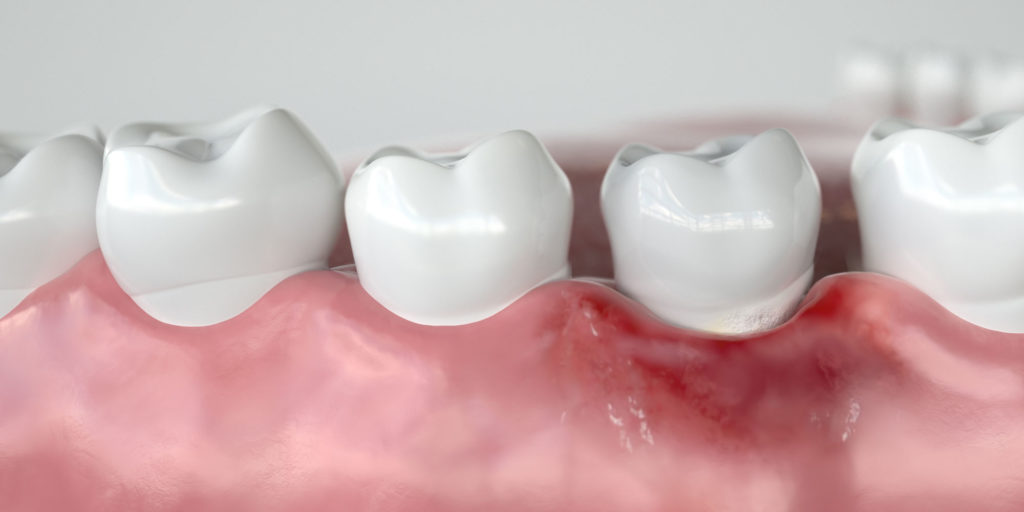
A gingivectomy is the surgical removal of the gum tissue around teeth. This is often completed when a person suffers from gum disease to trim away the damaged tissues and reduce the pockets between teeth. A gingivectomy may also remove gum tissue that is causing a “gummy” smile to improve the smile’s overall symmetry and tooth-to-gum ratio and to reduce excess tissue that is prone to infection. Sometimes a gingivectomy is used to gain access to more of a tooth in need of repair. Without excess soft tissues, a restoration like a dental crown can be securely and snuggly attached. Patients who complete this treatment experience improved dental function and better smile esthetics.
Frenectomy
A frenectomy is a surgical procedure that removes the frenulum, or the tissue restricting the movement of the tongue or upper lip. Patients with tongue-tie or lip-tie can experience numerous functional problems associated with eating, swallowing, breathing, and speaking. A frenulum that grows abnormally can also affect the development of the two front teeth, creating a gap that orthodontics may not be able to close. A frenectomy in Phoenix Metro, AZ is a fast procedure made painless with numbing agents and sedation. Infants, children, and adults who undergo this procedure experience better function, health, and confidence.
Schedule an appointment with our periodontist in Phoenix Metro, AZ today.
I understand the information disclosed in this form may be subject to re-disclosure and may no longer be protected by HIPAA privacy regulations and the HITECH Act.