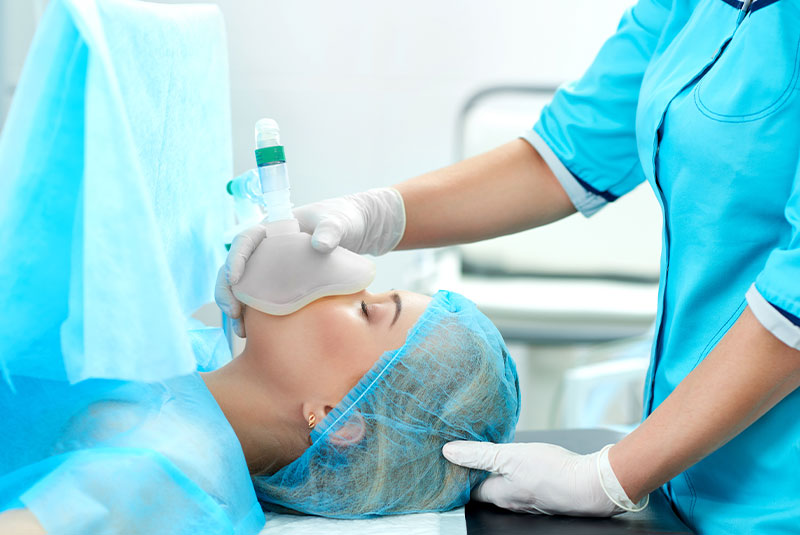
Do you suffer from anxiety every time you visit your dental office? At Implants & Periodontics, we understand how dental fear can paralyze you from seeking out the care you need. Unfortunately, postponing dental treatment can lead to more significant problems in the future, like periodontal disease, tooth loss, bone loss, and pain.Our team of skilled periodontists are well-versed in sedation dentistry use sedation dentistry to help alleviate dental anxiety and help you receive the care you need.
0:52
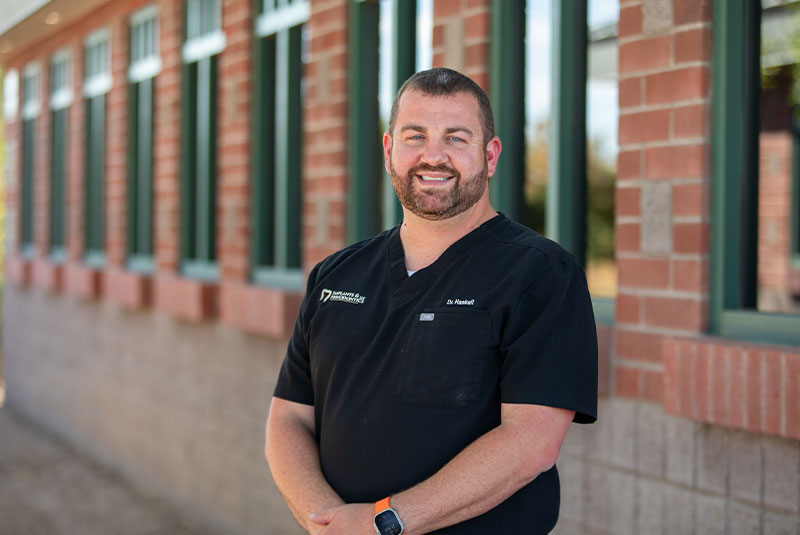
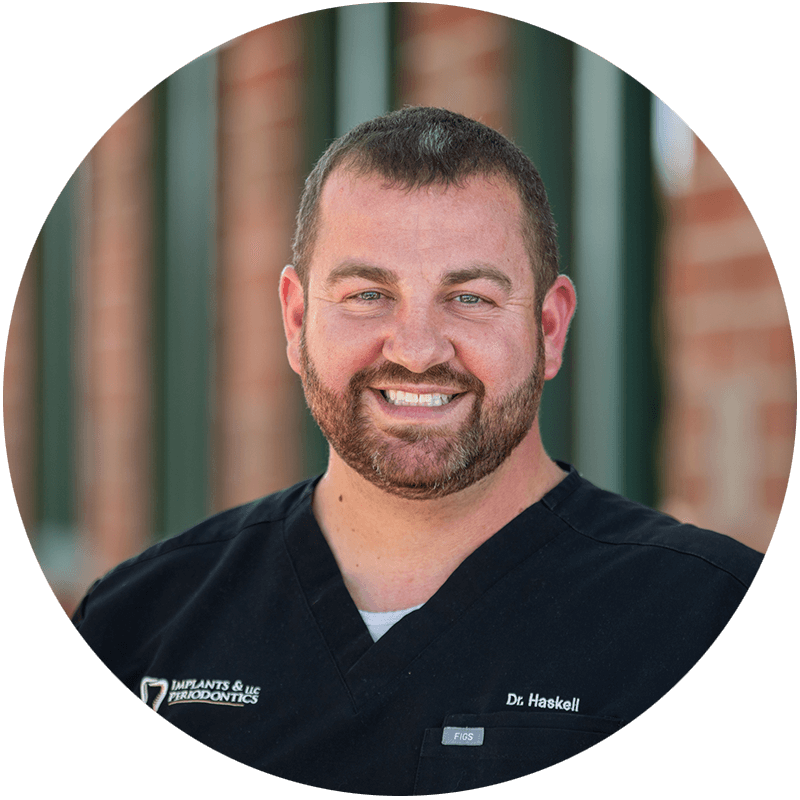
Dr. Haskell
What is sedation dentistry?
Is Sedation Dentistry Right for You?
Fear of the dentist
Sensitive gag reflex
Low pain threshold
Dental anxiety
Require multiple complex treatments
Sedation Dentistry Options Customized to You
IV Sedation
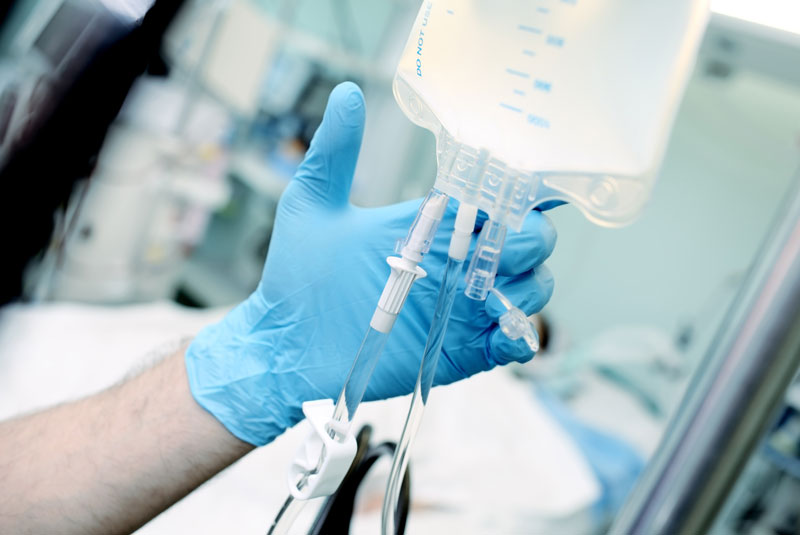
IV sedation offers an optimal sedation dentistry solution for individuals dealing with heightened anxiety or those requiring intricate treatments, such as full mouth dental implants. Administered intravenously in the hand or arm, this sedation method induces a sleep-like state while keeping you conscious and easily awakened. Rapid onset ensures quick effectiveness, minimizing pain sensations during the procedure.
Our team closely monitors vital signs, adjusting the dosage for a pain-free and secure experience. Given its amnesic effects, patients often forget portions of their treatment. Following IV sedation, a designated individual must accompany you home, and it’s advisable to abstain from alcohol and strenuous activities for up to 24 hours.
Nitrous Oxide
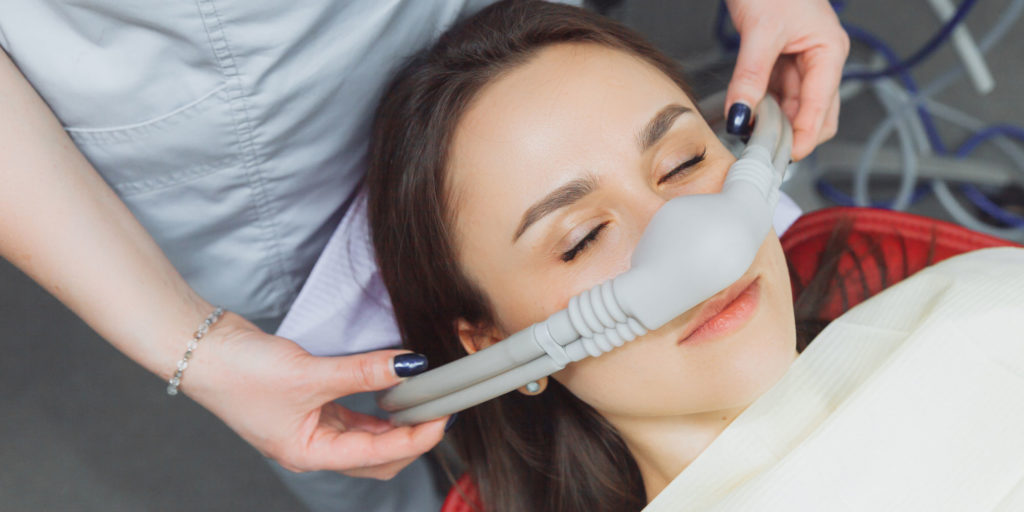
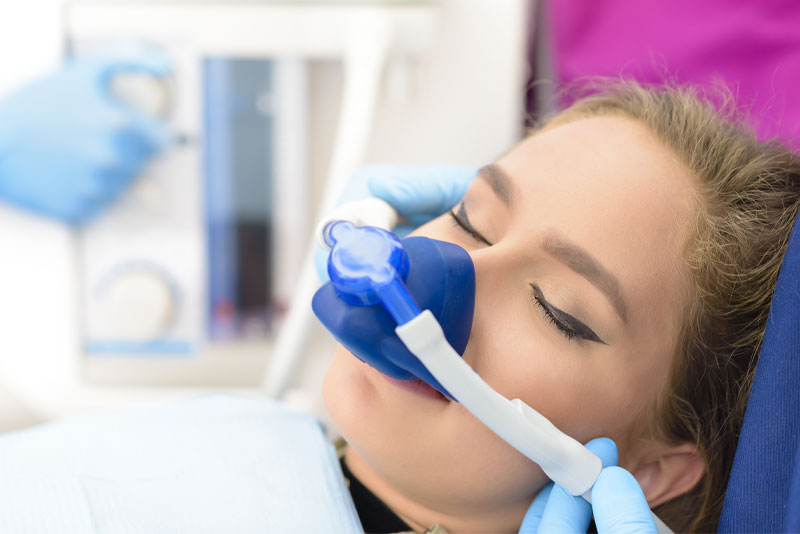
Known as “laughing gas,” nitrous oxide is a colorless and non-irritating gas mixed with oxygen administered through a small mask placed over your nose. The degree of relaxation is easily modulated by adjusting the concentration of nitrous oxide. At Implants & Periodontics, nitrous oxide is an excellent dental anesthesia option for mitigating mild anxiety and is particularly well-suited for less complex dental procedures.
This form of dental anesthesia induces euphoria, calmness, and relaxation; some patients may even experience a sense of lightheartedness. Following the completion of treatment, a few minutes of inhaling pure oxygen are sufficient to eliminate nitrous oxide from your system. With minimal to no lingering side effects, patients can confidently drive themselves home after their dental procedure.
Oral Conscious
Oral sedation, often combined with nitrous oxide, offers a convenient and effective method to induce relaxation before dental procedures. Approximately an hour before your scheduled appointment, you’ll take a prescribed sedative, promoting a state of calmness and ease. Sometimes, our team may recommend taking the sedative the night before to alleviate pre-procedure concerns. While most patients remain awake during treatment, this sedation dentistry option induces significant relaxation; some may even nod off.
Our team monitors your vital signs throughout the procedure to ensure optimal comfort and safety. Many individuals recall little to nothing about the treatment once it concludes. Due to the drowsiness induced by oral sedation, it is essential to arrange for someone to drive you home. The effects typically wear off completely within 24 hours.
General Anesthesia
During your consultation, we will discuss the benefits and risks of general anesthesia, answer all your questions, and decide whether this is the right option for you. Unlike other forms of sedation dentistry at Implants & Periodontics, general anesthesia produces a state of unconsciousness in which you’re completely asleep.
As such, it requires rigorous training and certification, smoking cessation 12 hours before your procedure, and not eating or drinking anything but water a minimum of eight hours before. As the strongest type of anesthesia, all your vitals are carefully monitored, and a responsible adult person needs to drive you to and from our practice.
What sedation options does Implants & Periodontics offer?
We offer four levels depending on your needs and anxiety level: local anesthetic alone, nitrous oxide (laughing gas), oral conscious sedation (a pill taken before your appointment), and IV sedation for more complex procedures like full mouth implants. We’ll recommend the right option during your consultation.
Will I be unconscious during treatment?
Not unless general anesthesia is specifically recommended for your case. With IV sedation and oral conscious sedation, most patients stay conscious but very drowsy, and many don’t remember much of the procedure afterward. Nitrous oxide keeps you fully aware and clears quickly once the mask comes off.
How do I know which sedation option is right for me?
It depends on your anxiety level, the complexity of your treatment, and your medical history. Mild anxiety with a simple procedure might only call for nitrous oxide, while full mouth implants or significant dental fear often call for IV sedation. We’ll walk through the options at your consultation.
Do I need someone to drive me home after sedation?
Yes, for IV sedation, oral conscious sedation, and general anesthesia, you’ll need a responsible adult to drive you home and ideally stay with you for a few hours afterward. Nitrous oxide is the exception. Since it clears your system almost immediately, most patients can drive themselves home.
Is sedation dentistry safe?
Yes. Your vitals are monitored throughout any sedation procedure, and our team follows strict protocols for dosing and patient safety. We’ll also review your health history beforehand to make sure your sedation plan is appropriate for you.
Take Charge of your Dental Health
Neglecting dental visits can have far-reaching consequences on oral and systemic health, leading to tooth decay, gum disease, and tooth loss. Gum disease, when left untreated, not only remains a primary cause of adult tooth loss but is also linked to increased risks of heart disease, diabetes, chronic respiratory disease, and dementia. At Implants & Periodontics, we recognize the importance of addressing dental anxiety and ensuring it doesn’t compromise your overall health and well-being.
Our dental anesthesia offers a painless solution, bridging the gap between anxiety-free dental care and the potential consequences of neglecting professional oral health services. We understand that dental visits can be intimidating, and our team is committed to creating a welcoming and relaxing environment for your comfort. Explore the option of dental anesthesia with us to receive essential care in a setting that puts you at ease and prioritizes your overall health.
Enjoy Your Next Visit with Sedation Dentistry Services!
Reserve your appointment for sedation anesthesia near you.
I understand the information disclosed in this form may be subject to re-disclosure and may no longer be protected by HIPAA privacy regulations and the HITECH Act.